
Transcranial Magnetic Stimulation (TMS) is a non-invasive treatment that stimulates specific brain networks involved in mood regulation, emotional processing, cognitive function, and behavioral control.
When these brain networks are underactive, overactive, or not communicating effectively, symptoms such as depression, anxiety, compulsive behavior, and cognitive dysfunction can occur. TMS helps restore healthier communication between these brain regions.
At Compassion Neurohealth, we frequently treat patients experiencing Treatment-Resistant Depression (TRD), including individuals whose depression is accompanied by significant anxiety symptoms.
Many patients who come to our clinic have tried multiple medications, therapy, or other treatments without achieving lasting relief. TMS offers a different approach by directly stimulating the brain circuits involved in mood regulation.
Using Precision TMS (pTMS) with advanced brain mapping and neuronavigation, we personalize treatment based on each patient’s unique brain activity patterns.
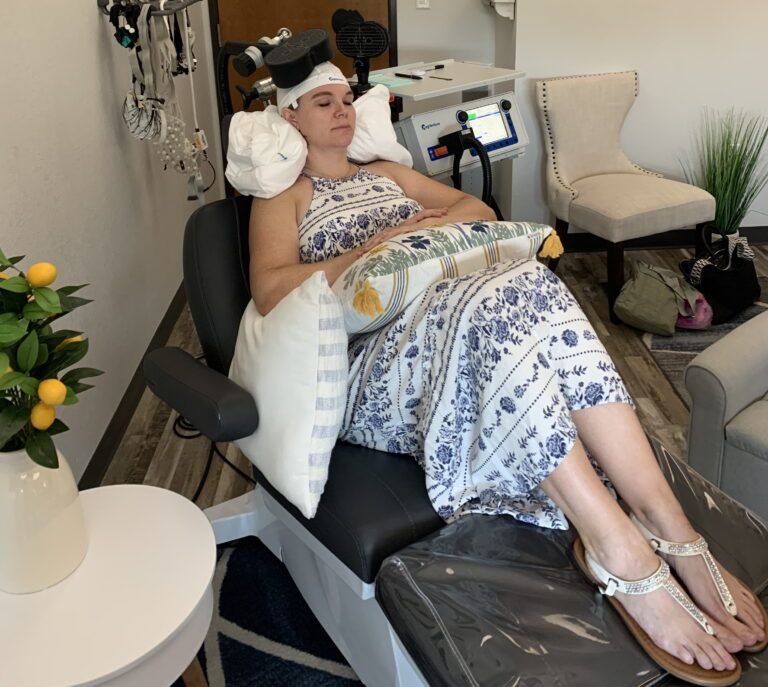
Transcranial Magnetic Stimulation (TMS) is a safe and effective treatment for several mental health conditions.
TMS is for patients with Major Depressive Disorder, particularly individuals with Treatment-Resistant Depression (TRD) who have not experienced sufficient improvement from antidepressant medications.
Many individuals with depression also experience significant anxiety symptoms. TMS is commonly used to treat Major Depressive Disorder with anxious distress, helping regulate the brain networks involved in mood and emotional regulation.
TMS is an effective treatment option for individuals experiencing Major Depressive Disorder with anxious distress, a common and often more challenging form of depression.
Patients with both depression and anxiety may experience:
Persistent worry or racing thoughts Restlessness or difficulty relaxing Sleep disturbances Increased irritability or tension
These symptoms are often driven by dysregulated brain networks involved in both mood and threat response.
Transcranial Magnetic Stimulation (TMS) can help by targeting and regulating these specific brain networks—supporting improvements in both depressive symptoms and anxiety.
For patients who have not responded adequately to medications, TMS offers a non-invasive, medication-free approach designed to restore balance and improve overall emotional well-being.
TMS is for Obsessive-Compulsive Disorder, targeting brain circuits involved in intrusive thoughts and compulsive behaviors.

Insurance providers most commonly approve TMS treatment for treatment-resistant depression when patients have tried multiple antidepressant medications without adequate improvement.
Coverage is most commonly approved when patients have tried multiple antidepressant medications without sufficient improvement.
Many individuals with depression also experience significant anxiety symptoms. Insurance providers often approve TMS when anxiety occurs alongside treatment-resistant depression, especially when:
Insurance coverage may also apply when patients cannot tolerate antidepressant medications due to side effects.
Our team works directly with insurance providers to verify eligibility and coverage prior to treatment.

A growing body of clinical research suggests TMS may help treat several additional neurological and psychiatric conditions. While these uses may be considered off-label, many patients experience meaningful improvement. Eligibility for off-label treatment is determined on a case-by-case basis and requires evaluation and approval by our physician prior to initiating care.
TMS may help regulate brain circuits involved in fear processing, stress response, and emotional regulation.
TMS may help stabilize brain networks involved in trauma processing, hypervigilance, and emotional memory.
When used carefully under medical supervision, TMS may help treat depressive episodes associated with bipolar disorder.
Patients with persistent post-concussion symptoms may benefit from TMS targeting brain regions responsible for mood, attention, and cognitive function.
Tinnitus may result from abnormal activity in the brain’s auditory processing networks. Research suggests TMS may help reduce the perception of ringing by modulating activity in the auditory cortex.
Research suggests TMS may improve attention, processing speed, and executive function in some patients experiencing cognitive impairment.
Content coming soon.
Patients often explore TMS when traditional treatments have not provided sufficient relief.
Common reasons patients pursue TMS include:
TMS is unique because it directly targets the brain circuits involved in mood and behavior rather than affecting the entire body like medications.
Many patients who benefit from TMS experience symptoms that persist despite medication or therapy. You may be a candidate for TMS if you experience:
Because these symptoms often originate from dysregulated brain networks, TMS may help restore more normal brain activity.
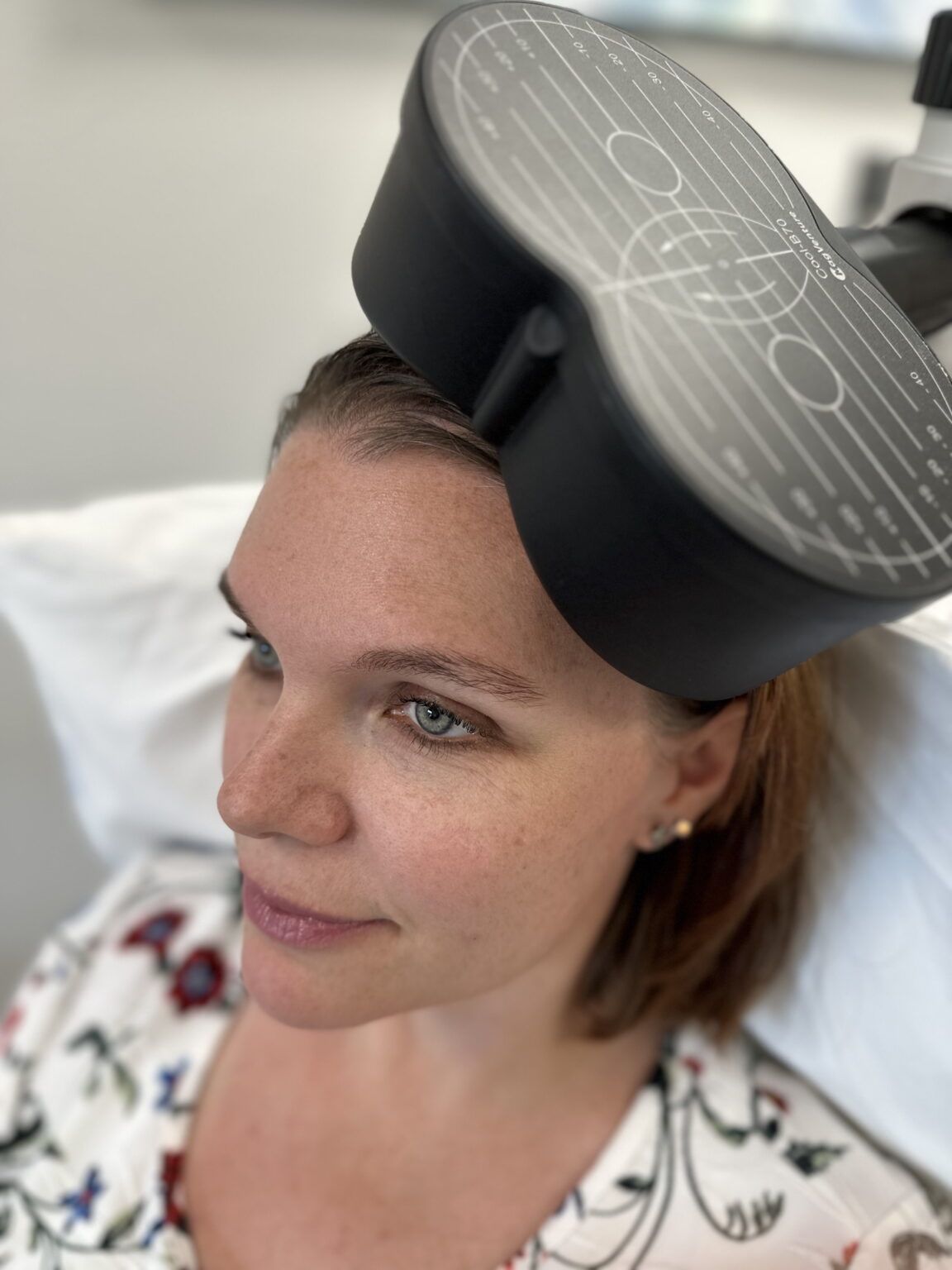
At Compassion Neurohealth, we combine:
This Precision TMS (pTMS) approach allows us to identify and target the brain networks most involved in each patient’s symptoms, helping us deliver highly personalized neuromodulation therapy.
Our goal is simple:
Deliver the best patient outcomes in mental health by using the most advanced neuroscience technology available.
