
Path to Recovery
At Compassion Neurohealth, we believe that effective treatment begins with understanding the brain as a complex network rather than focusing on symptoms alone.
Many patients come to us after years of trying medications or therapies that have not provided lasting relief. Our approach combines advanced neuroscience, precision diagnostics, and compassionate care to better understand how each patient’s brain is functioning and how it can be restored to healthier activity.

Our Precision TMS Process
Our approach follows five steps designed to ensure the most accurate and effective treatment possible.
Measure

We begin with advanced EEG brain mapping to measure brain activity and identify how key neural networks are functioning.
Evaluate
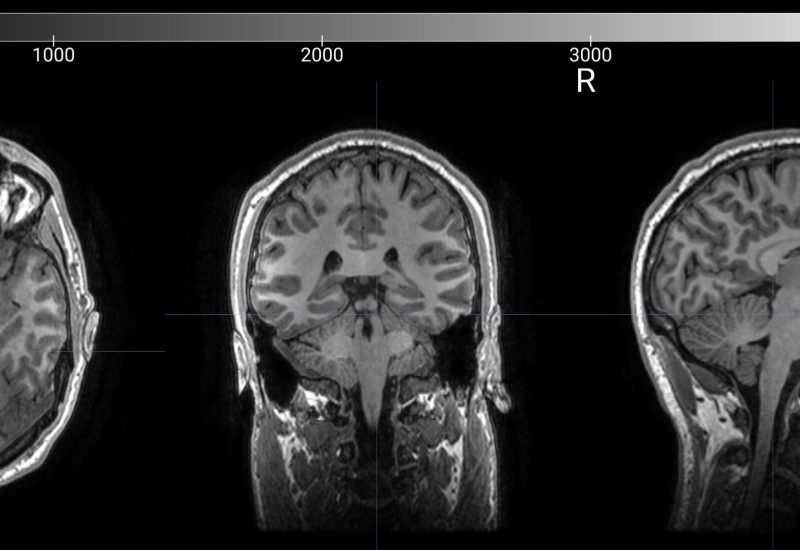
Using our proprietary HALO™ analysis platform, which evaluates brain network patterns and determines which regions are underperforming or overperforming.
Target
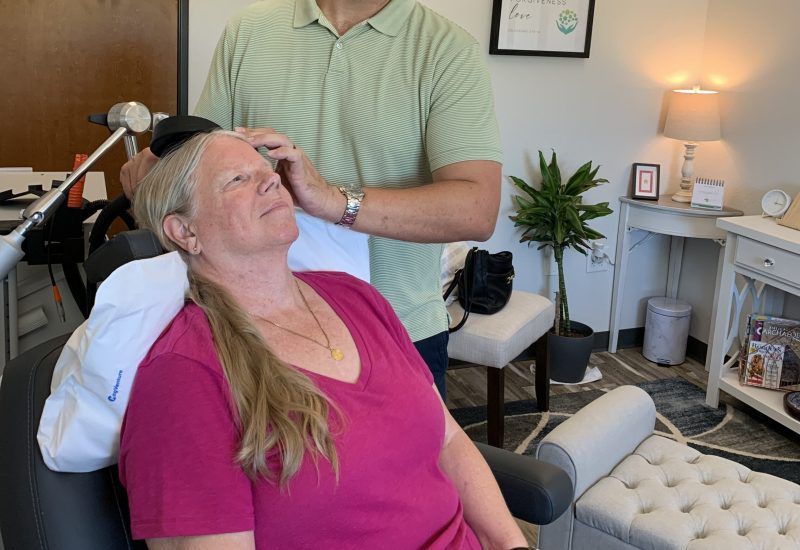
We then use neuronavigation technology to precisely guide the TMS coil to the exact location identified by the HALO™. This allows us to stimulate the correct area with millimeter-level accuracy rather than relying on the traditional 5-cm rule.
Treat
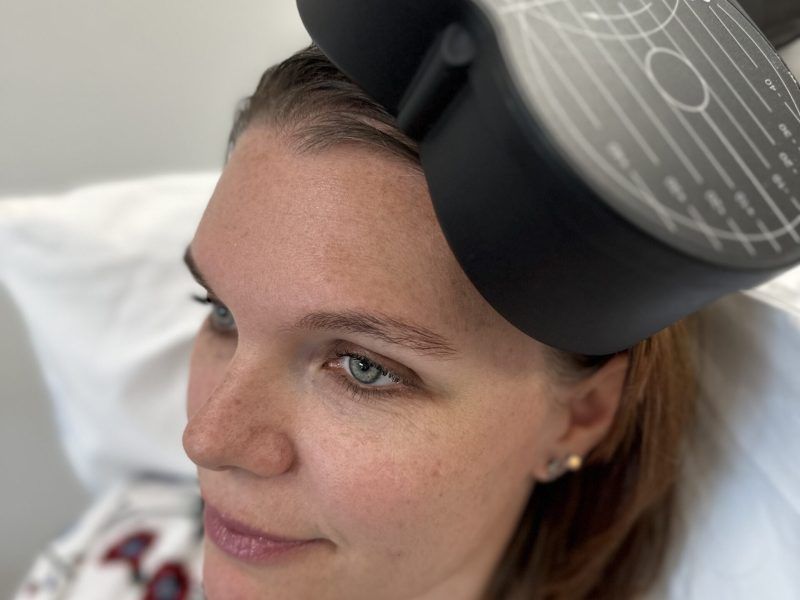
Patients receive a series of TMS treatments designed to restore healthy neural connections.
Halfway through the treatment course, we re-measure brain activity to confirm the therapy is working and adjust targeting if needed.
Restore
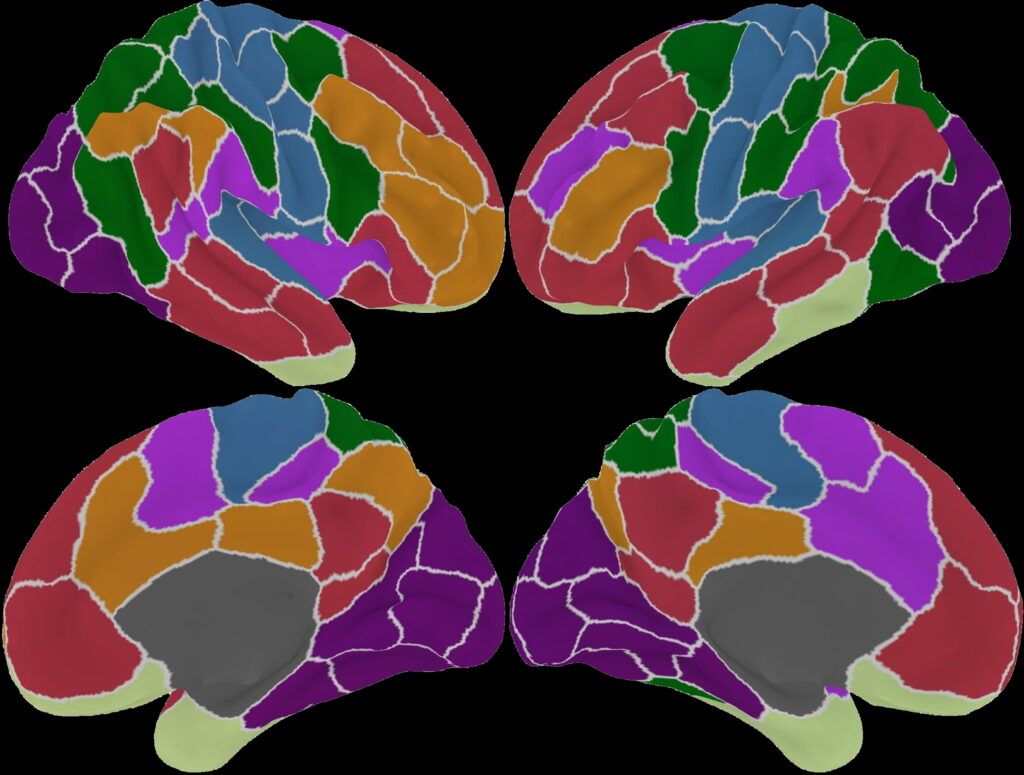
After completing treatment, we perform another brain measurement to show patients how their brain activity has changed, improved and been restored. As one patient told us “HALO validated the changes I was feeling”.
Measured. Targeted. Life-changing. Your path to hope starts here.
Our clinical process
follows five key steps:
1. Measure the Brain
We begin by mapping brain activity using electroencephalography (EEG). This allows us to observe how different brain regions communicate and identify patterns associated with depression, traumatic brain injury, anxiety, and other neurological conditions. At Compassion Neurohealth, this data is analyzed using our proprietary software platform HALO (Holographic Algorithm for Localization and Optimization). HALO helps translate complex brain data into actionable insights that guide treatment planning.
2. Evaluate the Patient
Next, we conduct a comprehensive clinical evaluation that includes medical history, symptoms, prior treatments, and cognitive and emotional health. Combining this information with brain mapping data allows us to better understand the underlying drivers of each patient’s condition.
3. Target the Right Brain Networks
Using insights from HALO and brain mapping, we identify the specific brain regions most relevant to each patient’s symptoms. Traditional TMS clinics often rely on what is known as the “5-centimeter rule,” a method that estimates the treatment location by measuring approximately five centimeters forward from the motor cortex. While widely used, this approach assumes that all patients’ brain anatomy is similar. At Compassion Neurohealth, we take a precision approach. We use neuronavigation technology to guide treatment to the specific brain regions identified through brain mapping and HALO analysis, ensuring stimulation is delivered to the most relevant brain networks for each patient.
4. Treat with Precision Neuromodulation
Once the optimal target is identified, we deliver neuronavigated transcranial magnetic stimulation (TMS) treatments designed to stimulate specific brain networks and promote healthier brain activity. At Compassion Neurohealth, we also believe that measurement is essential to effective care. After approximately half of the treatment course is completed, we perform repeat brain mapping to evaluate how the brain is responding. This allows our team to confirm that the treatment is producing the desired neurological changes and to adjust protocols if needed.
5. Restore Brain Health
Following the completion of treatment, we perform final brain mapping to measure how brain network activity has changed. Patients are able to see the differences in their brain activity before and after treatment, helping them understand how their brain function has improved over time. Our goal is not only to help patients feel better—but also to provide objective evidence of neurological improvement. Our mission is simple: to combine advanced neuroscience, precision technology, and compassionate care to help patients restore brain health and reclaim their lives.
